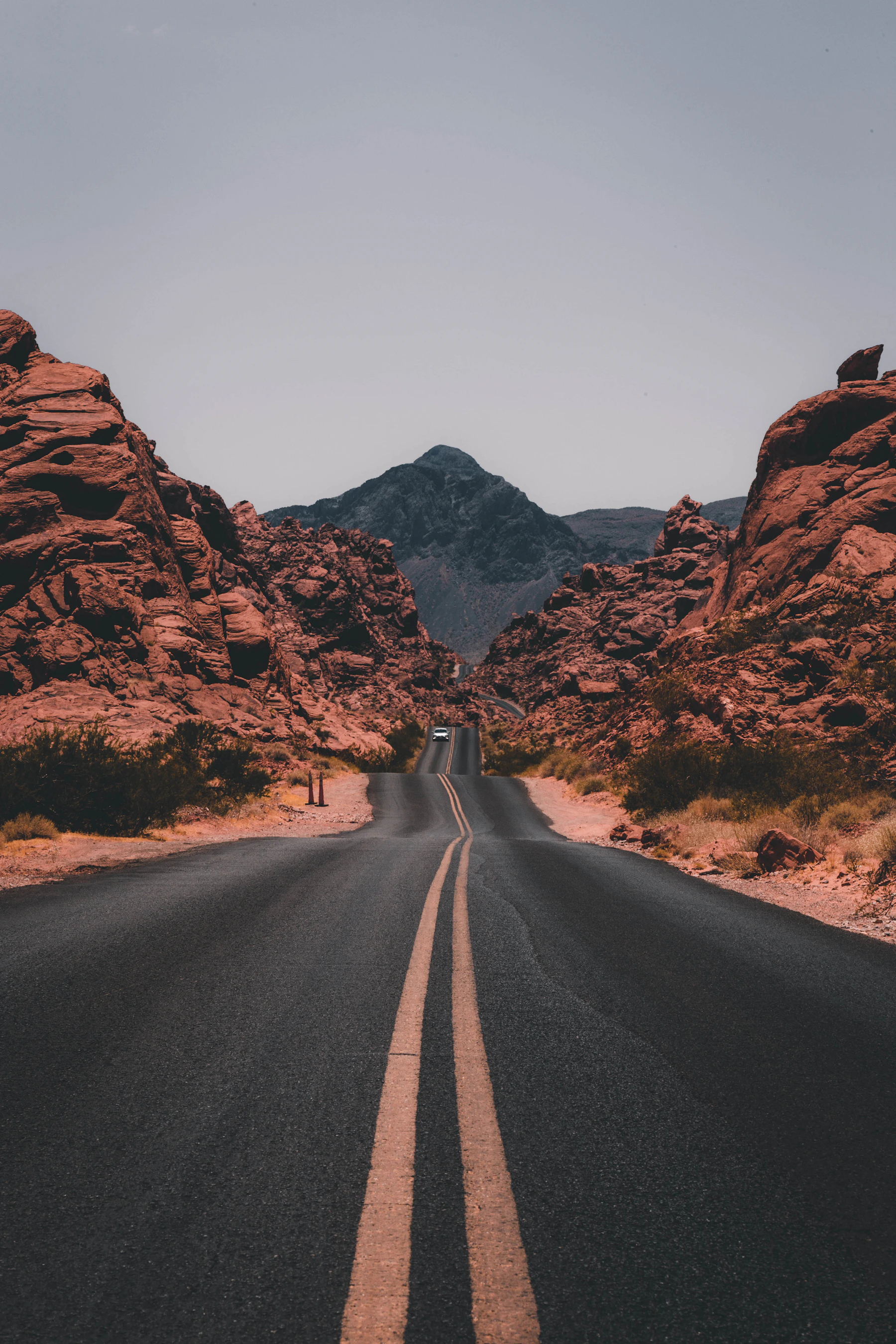
GLOBAL TRAVEL ATLAS EDITION 01
Find your way somewhere.
01 — INDEX A different way
to discover travel.
JOURNEVIA / TRAVEL INTELLIGENCE

Journevia is a living travel atlas built around one simple idea: the best journey is not always the one you planned first. Explore places through moods, stories, routes, seasons, experiences and the small details that make a destination worth remembering.

SCROLL TO BEGIN
02 — THE DECISION ENGINE

Start
Somewhere.

QUESTION 01 / 04
01 / INTENTION

What are you actually looking for?

02 / TEMPO

How should the journey feel?

03 / CHARACTER

What kind of place pulls you in?

04 / TIME

How much time can you give it?

YOUR TRAVEL PROFILE
CURIOUS
EXPLORER
INTENTION Discovery
TEMPO Balanced
CHARACTER Coast
TIME One Week
03 — WHY JOURNEVIA

Travel is not a checklist. It is a collection of moments.

We built Journevia because travel has become remarkably easy to search and surprisingly difficult to feel. There are thousands of destinations, millions of photos, endless rankings and more recommendations than anyone could reasonably process.

Somewhere inside all that information is the reason you wanted to leave in the first place.

Journevia does not begin by asking where you want to go. It begins by asking what you want the journey to become.

11 / THE GATEWAY INDEX
ARRIVALS / DEPARTURES / CONNECTIONS

Where the journey begins.

Before a city becomes a destination, it is often a gateway. A runway. A harbour. A railway platform. A ferry terminal. A road crossing. A place where one world ends and another begins.

Journevia looks beyond the postcard and into the infrastructure of movement — the airports, seaports, terminals and coastal gateways that connect the United Kingdom with Europe, the islands and the wider diaspora.

Passenger aircraft above the clouds
01

MOVEMENT HAS ITS OWN GEOGRAPHY.
FOLLOW THE GATEWAYS.

FIELD NOTE 01

The airport is not the destination.

Yet it can tell you a great deal about the destination. Airports are some of the most international spaces on earth. People arrive carrying different languages, currencies, expectations and reasons for travelling.

In the United Kingdom, airports form an enormous network of connections. London sits at the centre of one of the world's most interconnected aviation systems, while Manchester, Birmingham, Edinburgh, Glasgow, Bristol, Liverpool and other regional gateways create their own corridors into the country.

For a traveller, choosing an airport can affect far more than the flight itself. The airport determines where you begin, how long the transfer takes, which side of a city you enter from and sometimes how the entire first day unfolds.

AIR / UNITED KINGDOM

The airports of arrival.

The UK's airports are more than departure boards and security queues. They are regional gateways, international meeting points and the first chapter of countless journeys.

Airport runway and aircraft
01 / LONDON

Heathrow

Heathrow functions as one of the UK's principal international gateways. For travellers arriving from outside Europe, it can represent the first physical contact with Britain.

Its importance is not simply about passenger volume. The surrounding transport network creates multiple ways into London and onward into the country.

GATEWAY INTERNATIONAL
Aircraft at airport
02 / LONDON REGION

Gatwick

Gatwick creates another major southern gateway into Britain. Its location and transport connections make it an important alternative for travellers heading toward London and the wider southeast.

Aircraft on runway
03 / NORTH

Manchester

Manchester provides an important gateway for northern England. It connects the region to international destinations without requiring every traveller to pass through London.

Airport terminal
04 / MIDLANDS

Birmingham

Positioned within the Midlands, Birmingham Airport provides access to a major population and business region while connecting the area with international travel networks.

Edinburgh city landscape
05 / SCOTLAND

Edinburgh

Edinburgh provides an important air gateway into Scotland. For visitors arriving from overseas, the airport creates a direct connection between international travel and the historic capital.

Aircraft flying above clouds
ARRIVAL THEORY

The first hour matters.

A journey does not begin when you reach your hotel. It begins when the aircraft door opens and the unfamiliar becomes physical.

The first airport signs. The first accent you hear. The first transport connection. The first glimpse of local architecture outside the terminal.

These details establish a destination's atmosphere long before the traveller reaches the famous streets shown in brochures.

JOURNEVIA NOTE Don't rush the transition between airport and city.
SEA / COAST / CROSSING

The other side of arrival.

Britain is an island. Its relationship with the sea is therefore impossible to separate from its travel history. Ferries, cruise ships, cargo vessels and coastal routes continue to connect the country with neighbouring shores.

Large ship at sea
SEA GATEWAY / 01

Dover

Dover occupies one of the most recognisable maritime positions in Britain. The short sea crossing toward continental Europe has made the port an important connection between the UK and mainland Europe.

The white cliffs are not simply scenery. They form a geographical marker between two travel worlds — an unmistakable reminder that Britain is connected to Europe by a narrow stretch of water.

REGION KENT
GATEWAY TYPE FERRY / SEA
CONNECTION CONTINENTAL EUROPE
Port and sea
02 / SOUTH COAST

Portsmouth

A major maritime city on England's south coast, Portsmouth has a long relationship with naval, ferry and passenger travel.

Cruise ship at sea
03 / HAMPSHIRE

Southampton

Southampton is one of Britain's best-known passenger and maritime gateways, connecting the south coast with international cruise routes and wider sea travel.

Ocean coastline
04 / NORTHWEST

Liverpool

Liverpool's maritime identity is inseparable from its history, culture and international connections. Its waterfront remains one of the city's defining geographical spaces.

Coastal landscape
05 / WALES

Holyhead

Positioned on Anglesey, Holyhead is an important ferry gateway between Great Britain and Ireland. The crossing turns the sea into a direct part of the journey rather than simply an obstacle.

THE SEA CROSSING

Slow travel has a horizon.

Airports compress distance. Seaports reveal it.

A flight can make two countries feel remarkably close. A ferry does something different. It allows the traveller to physically watch the geography change.

The coastline recedes. The horizon opens. The port becomes smaller. Another coastline eventually appears.

That transition is one of the oldest forms of travel experience and remains one of the simplest ways to understand the geography of an island nation.

Coastal landscape and sea
THE HORIZON IS PART OF THE ROUTE.
11.5 / DIASPORA ROUTES
PEOPLE / PLACES / CONNECTION

Britain is connected far beyond Britain.

Travel infrastructure does not only move tourists. It carries families, students, workers, businesses, returning residents and generations of diaspora between countries.

London city skyline UNITED KINGDOM
African city landscape WEST AFRICA
City neighbourhood DIASPORA

The relationship between Britain and its diaspora is visible in the movement of people through airports and seaports every day.

A gateway can be practical and deeply personal at the same time. For one traveller it may represent a holiday. For another it may represent returning home. For another, it may be the beginning of a new chapter.

London, Manchester, Birmingham and other UK cities have developed international communities whose connections extend across continents. Travel therefore becomes more than movement between coordinates; it becomes movement between communities.

Journevia approaches diaspora travel through this broader lens — the routes, places and gateways that keep distant communities connected.

REGION GATEWAY JOURNEY TYPE CONNECTION
WEST AFRICA UK INTERNATIONAL AIRPORTS AIR FAMILY / BUSINESS / CULTURE
IRELAND HOLYHEAD / DUBLIN CORRIDOR SEA + ROAD REGIONAL CONNECTION
EUROPE DOVER / CHANNEL GATEWAYS SEA / AIR TRADE / LEISURE / TRANSIT
GLOBAL MAJOR UK AIRPORTS AIR INTERNATIONAL NETWORK
TWO WAYS INTO A PLACE

Air or sea? The gateway changes the story.

Aircraft in the sky
AIR

Arrive above the map.

Air travel compresses geographical distance and makes long international journeys practical. It is often about speed, connectivity and reaching the next stage of the journey efficiently.

  • Long-distance connections
  • Fast international movement
  • Large global network
  • Regional airport access
Cruise ship on the ocean
SEA

Arrive across the horizon.

Sea travel preserves the sensation of geographical transition. The journey itself becomes part of the experience, with coastlines, water and ports shaping the route.

  • Cross-channel connections
  • Island and coastal access
  • Cruise journeys
  • Slow-travel experience
Coastal landscape
JOURNEVIA FIELD GUIDE / 11

Every destination has a doorway.

Sometimes that doorway is a terminal. Sometimes it is a harbour. Sometimes it is a railway platform. Sometimes it is a road disappearing beyond the horizon.

The important thing is to recognise that the journey starts before the destination appears.

Follow the gateways and you begin to understand how places connect — not only geographically, but culturally, commercially and personally.

END OF CHAPTER 11
Travel landscape

The art of leaving enough room.

The temptation when planning a journey is to fill it. Another restaurant. Another museum. Another viewpoint. Another train that leaves at precisely 8:42.

But some of the strongest travel memories arrive in the empty spaces between plans.

A street you entered because it looked interesting. A conversation that lasted longer than expected. A morning when the only thing on the schedule was coffee.

Journevia believes an itinerary should create direction, not pressure.

07 — EXPERIENCE LIBRARY

Don't just
see places.

Destinations become personal through the things you do, taste, hear, learn and remember there.

001 / FOOD

Eat

Find the markets, bakeries, family tables, street stalls and long lunches that explain a place through flavor.

002 / CULTURE

Listen

Music, language, rituals, stories and traditions that give a destination its own rhythm.

003 / NATURE

Wander

Trails, coastlines, forests, mountains and open landscapes where the journey becomes physical.

004 / HISTORY

Read

Places become deeper when you understand what happened there before you arrived.

005 / DESIGN

Notice

Architecture, interiors, streets, objects and details that reveal how a city thinks.

006 / PEOPLE

Meet

Travel is ultimately about people. Learn how locals live, work, gather and celebrate.

08 — 72 HOURS

Three days can still tell a story.

Short trips don't need to feel rushed. The trick is choosing fewer things and experiencing them properly.

08:10

Arrive without a plan.

Drop the luggage. Walk until the streets begin to make sense. Find breakfast somewhere that wasn't recommended by an algorithm.

11:40

Take the long way.

Choose a neighborhood rather than an attraction. Let the architecture, shops and people become the afternoon's itinerary.

16:20

Find the view.

Every city has a place where the geography suddenly makes sense.

20:30

Stay at the table.

Don't rush dinner because the next thing is waiting. Sometimes dinner is the thing.

09 — TRAVEL INTELLIGENCE

Useful things
before you leave.

Good travel information should reduce uncertainty without removing the sense of discovery.

PLANNING
48H

Short Journey

A practical framework for building meaningful weekend escapes.

PACKING
07

Essentials

The fewer things you carry, the easier it becomes to move through unfamiliar places.

ROUTES
05

Travel Modes

Walk, rail, road, air or water — every mode changes how you experience distance.

MINDSET
01

Stay Curious

The most useful travel skill is still curiosity.

10 — THE TRAVEL CALENDAR

Where could
this month take you?

Every month changes the character of travel. Use the calendar as inspiration, not instruction.

01

January

Quiet cities, winter landscapes and long museum afternoons.

02

February

Warm escapes, cultural weekends and slower city breaks.

03

March

Shoulder-season routes begin opening across many regions.

04

April

Spring walks, gardens, coastlines and historic towns.

05

May

Longer days and the beginning of outdoor season.

06

June

Coastal journeys, mountain routes and late sunsets.

07

July

Classic summer routes, island life and long road trips.

08

August

Beach days, festivals and slow evenings outside.

09

September

A return to quieter streets and comfortable travel rhythms.

10

October

Autumn landscapes, food journeys and atmospheric cities.

11

November

Slow travel, galleries, food and atmospheric escapes.

12

December

Markets, lights, celebrations and end-of-year escapes.

11 — BUILD A JOURNEY

Give us
the ingredients.

Combine a destination, a rhythm and a travel style. Journevia will turn the combination into a starting point.

YOUR STARTING POINT

Coastal / Slow / 7 Days

A journey designed around shoreline towns, quiet mornings, local food and enough empty space to notice where you are.

20 — THE LOCAL LENS

See the place
from the inside.

A destination looks different when you stop viewing it exclusively through the eyes of a visitor. The streets become neighborhoods. Restaurants become meeting places. Markets become routines. A landmark becomes part of a much larger story.

LOCAL / 001

The Morning

The first few hours of a city often reveal a version of itself that disappears once the day becomes busy. Bakeries open their doors, commuters begin crossing familiar streets and shop owners prepare for another ordinary day.

For travelers, these ordinary moments can become some of the most valuable ones. Instead of beginning with an attraction, begin with a neighborhood.

Notice what people do when they are not performing the city for visitors.
LOCAL / 002

The Table

Food is rarely just food. It can reveal geography, migration, climate, history and family traditions. A simple meal can tell you more about a place than an entire afternoon of sightseeing.

Look for the places where people return repeatedly. Listen to what is being ordered. Notice when lunch becomes dinner and when nobody seems interested in leaving.

A destination becomes personal when you have eaten something you cannot quite stop thinking about.
21 — JOURNEY ECONOMICS

What does a journey actually cost?

Travel budgets are more useful when they are understood as a collection of decisions rather than one intimidating number. Transportation, accommodation, food, activities, local movement and unexpected expenses all create the final shape of a trip.

01 / TRANSPORT Getting there Flights, trains, buses, transfers and local movement.
02 / STAY Sleeping well Hotels, guesthouses, apartments and alternative stays.
03 / FOOD Eating there Breakfast, markets, restaurants, drinks and local food.
04 / EXPERIENCE Doing things Museums, tours, events, activities and entrance fees.
05 / BUFFER The unknown A little room for the things you could not predict.
THE IMPORTANT NUMBER

Don't build a budget that leaves you unable to enjoy the destination.

FLEXIBILITY
22 — BEFORE / DURING / AFTER

A journey starts
before departure.

The travel experience is bigger than the days spent somewhere else. It begins when you start imagining the destination and continues long after you return.

01

Before

Prepare without over-planning.

Research enough to understand the place. Save important addresses. Check practical requirements. Learn a little about local customs. Then stop researching long enough to allow some mystery to survive.

02

During

Be present where you are.

Your itinerary should guide you rather than control you. If an unexpected street, conversation, meal or landscape becomes interesting, allow the schedule to bend.

03

After

Keep the journey alive.

Sort the photographs. Write down what you remember. Save the restaurant you loved. Look up the neighborhood you never reached. Sometimes the journey continues through memory long after the luggage is unpacked.

23 — THE DETOUR ARCHIVE

When the obvious
isn't the only option.

Famous places can be worth visiting. But sometimes the better story begins one street away, one train stop later, or somewhere nobody told you to look.

001

The Side Street

When a central district feels crowded, walk three blocks away from the main attraction and observe how quickly the atmosphere changes.

↗
002

The Last Train

Don't always choose the fastest route between two destinations. A slower regional train can turn transportation into part of the experience.

↗
003

The Morning Market

Before tourist activity reaches full volume, local markets can provide a much more ordinary view of a city.

↗
004

The Quiet Museum

Instead of following the biggest attraction, look for the smaller institution with fewer visitors and more time to explore.

↗
005

The Long Lunch

Give one meal an unreasonable amount of time. Conversations, people watching and simply staying still can become the day's best experience.

↗
24 — THE TRAVEL LIBRARY

A place for
better questions.

Travel knowledge is not only about knowing where to go. It is knowing what to notice, what to prepare for and which questions are worth asking before you arrive.

LIBRARY / 001

Planning

How to build an itinerary, choose priorities, estimate time and leave enough flexibility for spontaneous discoveries.

LIBRARY / 002

Culture

Understanding local customs, etiquette, language, traditions and the difference between observing a culture and simply consuming it.

LIBRARY / 003

Food

Markets, local specialties, dining etiquette, regional ingredients and ways to understand a destination through its table.

LIBRARY / 004

Packing

Building a practical travel kit around climate, duration, activities and the reality of carrying everything you bring.

LIBRARY / 005

Photography

How to photograph places without allowing the camera to become more important than the experience itself.

LIBRARY / 006

Road Travel

What makes a road journey different, how to build useful stops and why the distance between places can become the destination.

LIBRARY / 007

Slow Travel

Staying longer, seeing less and allowing a place to become familiar instead of trying to collect it.

LIBRARY / 008

Solo Travel

Creating a rhythm, staying connected, making decisions independently and becoming comfortable with your own company while exploring.

LIBRARY / 009

Travel Mindset

Curiosity, patience, flexibility and the willingness to change your expectations when reality turns out differently from the brochure.

LIBRARY / 010

City Walking

The streets between attractions often contain the strongest clues about how a city actually lives.

LIBRARY / 011

Nature

Preparing for outdoor journeys, respecting landscapes and understanding why natural environments deserve a slower kind of attention.

LIBRARY / 012

Returning Home

The strange final chapter of every journey: unpacking, remembering and discovering that a place can remain part of your life after you have left it.

12 — THE LONG READ / 09 MINUTES

Why the best journeys rarely go exactly as planned.

There is something comforting about having a plan. A hotel confirmation. A departure time. A list of places that someone else has already decided are worth seeing.

Planning gives travel a beginning before the actual journey begins. It gives shape to the unknown. For many travelers, that shape is exactly what makes leaving home possible.

But there is another side to planning. When every hour is accounted for, the destination becomes a backdrop to a schedule. You move from one approved experience to the next without giving the place enough time to surprise you.

“Leave enough room for the destination to become something you did not expect.”

The solution is not to abandon planning. It is to plan differently. Choose the neighborhood instead of the restaurant. Choose the region instead of the exact viewpoint. Decide how you want the day to feel, then allow the details to reveal themselves.

A journey can have structure without becoming a performance. It can have direction without becoming a checklist.

That is the philosophy behind Journevia: build enough of the journey to feel confident, then leave enough untouched to remain curious.

13 — FIELD NOTES

Small things
worth knowing.

NOTE 001

Walk the first morning.

Before opening a map, walk. The first unplanned hour often tells you more about a neighborhood than a dozen saved recommendations.

READ NOTE ↗
NOTE 002

Eat where people linger.

A crowded restaurant is not automatically a good one, but a table where people have clearly chosen to stay is usually worth investigating.

READ NOTE ↗
NOTE 003

Don't photograph everything.

Some memories become stronger because you experienced them without immediately turning them into evidence.

READ NOTE ↗
NOTE 004

Learn one local word.

Even one unfamiliar word changes the relationship between you and the place you are visiting.

READ NOTE ↗
14 — PHOTO ARCHIVE

Places
remembered.

A visual archive of streets, landscapes, rooms, coastlines and moments between destinations.

Beach
ATLANTIC / 001
Travel interior
ROOM / 002
Mountain
NORTH / 003
Road
ROAD / 004
15 — TWO WAYS TO GO

Same week.
Different story.

Sometimes choosing a journey is easier when you compare the feeling rather than the destination.

Dimension
Coastal Route
City Route
Morning
Sea air and slow breakfast
Coffee and neighborhood walks
Movement
Roads and short coastal trains
Metro, walking and local rail
Food
Seafood, markets and small restaurants
Cafés, bakeries and late dinners
Best For
Resetting your rhythm
Feeding your curiosity
16 — TRAVEL TOOLKIT

Before you
disappear.

Practical tools for the unglamorous but important parts of leaving home.

Pack Light

Start with what you actually need, then remove the things you are carrying just because you might.

Currency

Know the local currency, understand basic conversion and keep a small emergency reserve.

World Time

Before calling home, remember that someone else's morning may be your midnight.

Weather

Look beyond temperature. Rain, wind, daylight and seasonal conditions can change an entire trip.

Offline Maps

Download what you need before leaving reliable connectivity behind.

Travel Notes

Keep addresses, confirmations, emergency numbers and important information somewhere accessible.

JOURNEVIA FIELD PASSPORT
KEEP
MOVING

JOURNEY NO. 001

17 — THE PASSPORT

Collect
stories,
not stamps.

Your travel record doesn't need to be measured by the number of countries you have visited. It can be measured by the meals you still remember, the streets you walked, the people you met and the places that changed your idea of somewhere.

18 — JOURNEVIA JOURNAL

Read before
you leave.

Long reads, practical notes and destination stories written for people who want more from travel.

Travel

How to choose a destination when everywhere looks interesting.

A different approach to narrowing down the endless possibilities.

Landscape

The places that teach you something without trying.

Why cultural travel often begins with simply paying attention.

Lake

Build an itinerary that leaves space for the unexpected.

A flexible framework for planning without over-planning.

06 / THE ROUTE ROOM

MOVEMENT / METHOD / CHOICE

One destination.
Several ways there.

Getting somewhere is rarely just a question of distance. The route you choose changes the rhythm of the journey, the places you notice, the amount you spend and sometimes the destination itself.

The Route Room looks at travel from the point of movement rather than arrival.

01
DIRECT

The Straight Line

The fastest available route between departure and destination. Ideal when time is more valuable than discovery.

TIME LOW
DISCOVERY LOW
03
HYBRID

The Split Route

Combine efficient transport with a deliberately chosen stopover. Move quickly when it matters and slow down where it counts.

TIME MID
DISCOVERY HIGH
07 / POSTCARD INTELLIGENCE

LOOK CLOSER

A destination is more than its landmarks.

The things that rarely make the brochure often tell you more about a place than its most famous attraction.

OBSERVATION 01
01

The Morning Test

What does the city feel like before the day has properly started? Empty streets, opening cafés, commuters, fishermen, market stalls and early light reveal a side of a destination that rarely survives into midday.

READ THE OBSERVATION →
OBSERVATION 02

The Local Rhythm

Some places move quickly. Others operate on a slower internal clock. Understanding that rhythm can completely change how you plan a day.

SPEED / CULTURE / ROUTINE
OBSERVATION 03

What People Carry

Baskets, bicycles, beach bags, market boxes, work cases and shopping bags can tell a surprisingly detailed story about how a place functions.

PEOPLE / PLACE / PATTERN
OBSERVATION 04

The Quiet Corner

Every busy destination has somewhere quieter. Finding it can create a completely different relationship with the same city.

SPACE / STILLNESS / DISCOVERY
08 / THE TIME TABLE

A DAY IN MOTION

Same place.
Different hour.

A destination is not static. Its personality shifts throughout the day. Journevia maps those changes so travellers can think beyond opening hours and attraction lists.

06:00 MORNING

First Light

Streets are quieter. Transport begins to wake. The first cafés open and the destination starts revealing its everyday personality.

PACE 01 / 05
10:30 LATE MORNING

The Opening Hour

Museums, markets, shops and major attractions begin moving into their active rhythm.

PACE 03 / 05
14:00 AFTERNOON

The Middle Distance

This is the hour to step away from the obvious route. Explore a neighbourhood, find a local meal or simply let the itinerary breathe.

PACE 04 / 05
18:45 EVENING

The Shift

Work ends, restaurants fill, streets change character and the city becomes more social.

PACE 05 / 05
22:30 NIGHT

After Hours

The tourist timetable disappears. What remains is the destination as experienced by people who actually live there.

PACE 02 / 05
09 / TRAVEL SIGNALS

THE INVISIBLE DATA

Read the destination before you arrive.

Not everything important about a journey can be measured in kilometres. These signals describe the less obvious forces that shape an experience.

01 PACE

City Tempo

How quickly does everyday life move?

02 EFFORT

Planning Load

How much preparation does the destination demand?

03 SPACE

Breathing Room

How easy is it to escape the busiest areas?

04 CHANGE

Weather Sensitivity

How strongly can weather change the experience?

05 PEOPLE

Social Energy

Does the destination invite interaction or solitude?

06 FLEX

Route Flexibility

How easy is it to change your plans once you arrive?

10 / THE UNPLANNED INDEX

FIELD NOTES

Not every good moment is scheduled.

The best travel plans leave a little room for something that was never on the plan.

01
THE WRONG TURN

You missed the street. Keep walking.

A navigation mistake is not automatically a problem. If the area is safe and practical, a wrong turn can become a short detour into somewhere you would never have deliberately searched for.

↗
02
THE EMPTY AFTERNOON

Nothing booked. Perfect.

Leave one section of the itinerary completely open. Use the time for a long meal, a neighbourhood walk, a bookshop, a park or simply doing nothing.

↗
03
THE WEATHER SHIFT

The forecast changed. The plan can too.

A flexible itinerary gives weather somewhere to go. Move outdoor plans to another hour and use indoor discoveries as part of the journey rather than treating them as backup plans.

↗
04
THE LOCAL TIP

Someone says, “You should see this.”

Local recommendations can introduce places that don't appear on the first page of a search. Ask questions, listen carefully and use your judgement about safety, distance and opening times.

↗
05
THE LAST HOUR

Your schedule ends. Your journey doesn't.

Some of the most memorable moments happen after the final planned activity. A quiet walk back, a final meal or watching the city settle can become the closing paragraph of the trip.

↗
19 — QUESTIONS

Before
you go.

Journevia is an editorial travel platform focused on destination discovery, travel inspiration, route planning, practical intelligence and long-form travel stories.

Journevia's concept is focused primarily on discovery, planning and travel information rather than functioning as a traditional booking platform.

Think about how you want the journey to feel rather than trying to select the perfect destination immediately. Your answers create a starting profile that can guide further exploration.

Yes. The Journey Builder allows you to combine destination character, travel style and duration into a simple starting itinerary.

No. The editorial philosophy is to look beyond popularity and consider places according to character, experience and the type of journey they can create.

THE END IS ANOTHER BEGINNING

Go Somewhere.

JOURNEVIA / TRAVEL ATLAS
YOUR NEXT STORY IS WAITING.